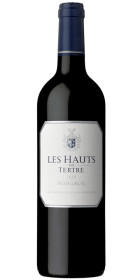
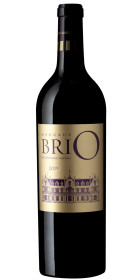
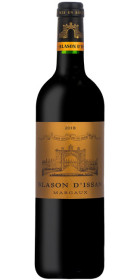
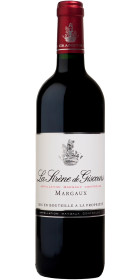
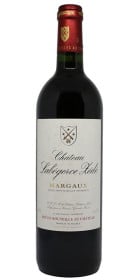
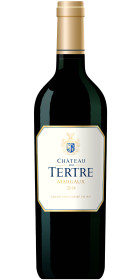
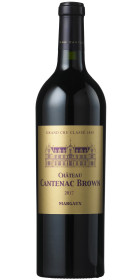
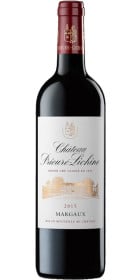
The appellation Margaux is one of the most famous of the Bordeaux vineyards, and the largest of the six so-called communal appellations of the Médoc. It covers a total of 1500 hectares and is spread over five communes: Margaux, Cantenac, Labarde, Soussans and Arsac. The vineyard of Margaux benefits from very favorable conditions to produce great wines thanks to the typicity of its soils and the proximity of the Gironde estuary.
The appellation produces nearly 78,000 hl of red wine and has the largest number of Grands Crus Classés in 1855, 21 in total, including the famous Château Margaux or Château Palmer.
The wines of Margaux are fine and elegant wines, showing richness and harmony in the nose and mouth. With an excellent ageing potential, these are great wines of Bordeaux.
What are the characteristics of the Margaux appellation?
Gravel soils represent the largest proportion of soils in the Margaux appellation, allowing excellent drainage by regulating the entry of rainwater. There is also a proportion of clay in some places which allows water retention, and sandy-gravel soils which allow the vines to be properly supplied with water in summer and to produce grapes that will give wines combining elegance and density.
Several grape varieties are grown on these soils: Cabernet Sauvignon and Merlot in overwhelming majority, Cabernet Franc, Malbec and Petit Verdot.
- The Cabernet Sauvignon flourishes on these gravelly soils which give it back the heat stored during the day to allow it to reach its full maturity. It brings to the wines their tannic richness and ageing potential.
- Merlot complements Cabernet Sauvignon in wine blends. With an earlier maturity, it brings body and aroma to the wines.
- The Cabernet Franc is present in smaller proportion, having a late maturity like the Cabernet Sauvignon. It confers mellowness and aromatics to the wines.
- Petit Verdot brings color and tannic richness to the wines, and is the latest variety of all.
What are the emblematic properties of the appellation Margaux?
Great names of Domaines are established within the vineyard of Margaux. The 21 Grands Crus Classés en 1855 present in the appellation contribute to its international reputation:
- One I Grand Cru Classé : Château Margaux
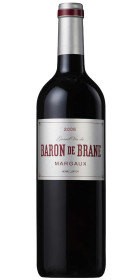
- 4 Sec Grands Crus Classés : Château Brane-Cantenac, Château Durfort-Vivens, Château Rauzan-Gassies, Château Rauzan-Ségla
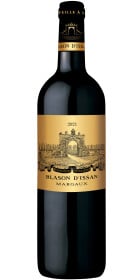
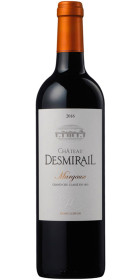
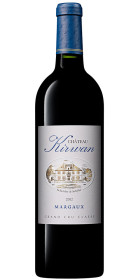
- 10 Third Classified Growths: Château Boyd-Cantenac, Château Cantenac Brown, Château Desmirail, Château d'Issan, Château Ferrière, Château Giscours, Château Kirwan, Château Malescot St Exupéry, Château Marquis d'Alesme Becker, Château Palmer
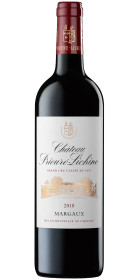
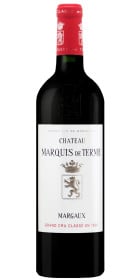
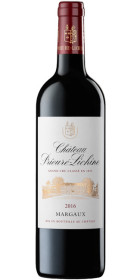
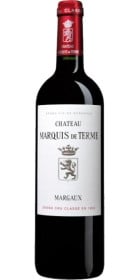
- 3 Fourth Great Classified Growths: Château Marquis de Terme, Château Pouget, Château Prieuré-Lichine
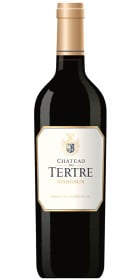
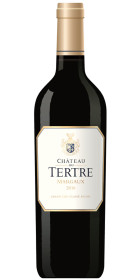
- 2 Fifth Classified Growths: Château Dauzac and Château Du Tertre