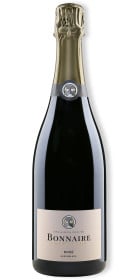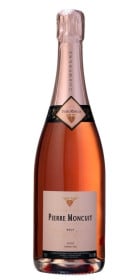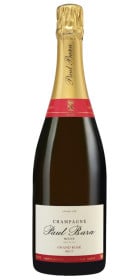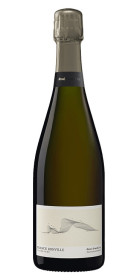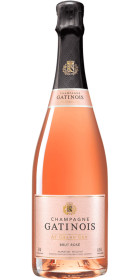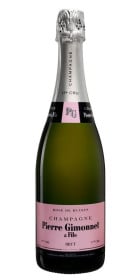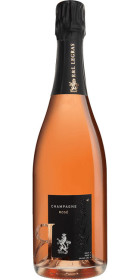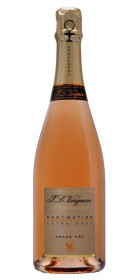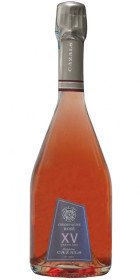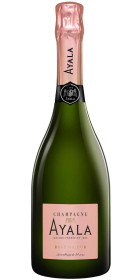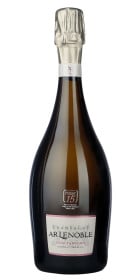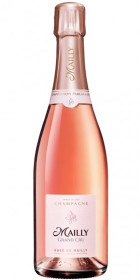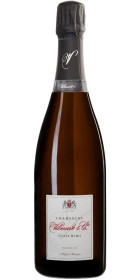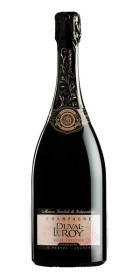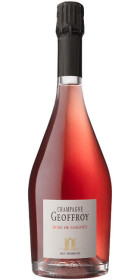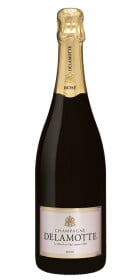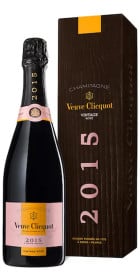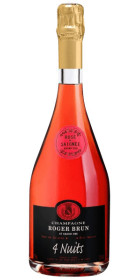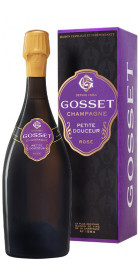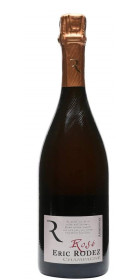
Pertois-Moriset Rosé Blanc
- Bottle 0.75L
Wine and spirits masterpieces to your doorstep
There are two methods for producing rosé Champagne. The first is the blending method, which involves mixing white wines and red wines. Champagne is the only AOC in France where this method is permitted.
See more ...
Champagne is much more than just a sparkling wine: it is a symbol of celebration, refinement, and the French art of living. Among the different categories of champagne, rosés occupy a special place, combining the freshness of whites with the roundness and complexity of red wines. Produced using specific methods, rosé champagnes seduce with their delicate color, generous aromatic palette, and versatility at the table. Discover everything you need to know about rosé champagnes: their history, characteristics, food and wine pairings, and how to taste them to appreciate all their subtleties.
Definition and Regulations
A rosé champagne is a champagne with a more or less intense pink color, obtained either by blending white and red Champagne wines (the most common method) or by macerating black grapes (Pinot Noir or Pinot Meunier) with their skins for a short period of time (a method known as saignée). According to the strict rules of the Champagne Appellation d'Origine Contrôlée (AOC), only Pinot Noir, Pinot Meunier, and Chardonnay grape varieties are authorized for the production of rosé champagnes.
Why Rosé?
Rosé champagne offers a unique sensory experience, combining the freshness and minerality of whites with the structure and fruity aromas of red wines. It is often perceived as more indulgent, more accessible, and more versatile than white champagnes, while retaining great elegance.
Aromatic Profile
Rosé champagnes are distinguished by their pink color, ranging from pale salmon to deep pink, and by their fine, persistent bubbles. On the nose, they reveal aromas of:
On the palate, rosé champagnes are often rounder and more full-bodied than whites, with good length and a sometimes slightly spicy finish.
Thanks to their balance between freshness and roundness, rosé champagnes pair perfectly with a wide variety of dishes:
Rosé champagne is also an excellent accompaniment to exotic or spicy cuisines, thanks to its ability to balance intense flavors.
Les Grands Terroirs, rosé champagnes are produced throughout the Champagne region, but certain terroirs stand out in particular:
Iconic houses and estates
Vintage or non-vintage?
Price
Rosé champagnes can range from €40 to several hundred euros depending on the producer, the vintage, and the production method. Prestige cuvées and macerated rosés are generally more expensive, but offer a unique experience.
Tasting: Tips and tricks
Serving temperature: Serve your rosé champagne between 46°F and 46°F to preserve its aromas and freshness.
Champagne Glass: Choose a flute or white wine glass, or even a red wine glass for more full-bodied rosés, to better release the aromas.
Storage
A Symbol of Modernity and Seduction
Rosé champagnes are often associated with joie de vivre, sensuality, and modernity. They embody a certain idea of accessible luxury and shared pleasure.
Anecdotes
Rosé champagnes invite you to discover a world where freshness meets indulgence, where elegance rivals conviviality. Their rich aromatic palette and versatility make them exceptional wines, perfect for celebrating important moments or simply for pleasure. Whether you are an amateur or a connoisseur, don't hesitate to explore the different vintages and let yourself be surprised by the diversity of rosé champagnes.